Automotive air conditioning work is common, repeatable, and often a strong add-on service — but only if the equipment and workflow are set up properly. The right A/C service machine helps you deliver consistent results, reduce rework, and keep jobs moving through the workshop.
This guide covers the practical things NZ workshops should consider before buying or upgrading an A/C service machine: vehicle mix, workflow, safety/compliance considerations, and what “good support” actually looks like after purchase.
For broader category planning, start here: workshop equipment guide →
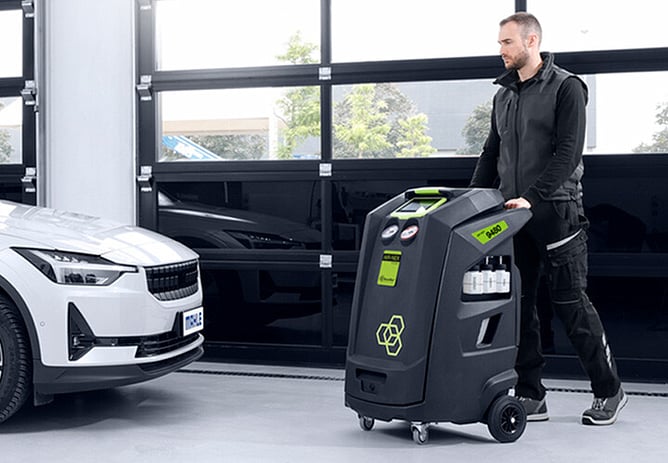
What an A/C service machine helps you do (in workshop terms)
An A/C service machine is there to support a clean, repeatable process for:
Recovering refrigerant
Vacuum/holding checks
Re-gassing to the correct spec
Running service workflows consistently across technicians
If A/C work is regular in your workshop, consistency and speed matter just as much as capability.
Explore options here: automotive A/C service machines →
What to consider before you invest
1) Your vehicle mix and service demand
Start with what you see most often:
Passenger and light commercial vs mixed fleet
Late-model vehicles (increasing system complexity)
Seasonal peaks (does A/C become a bottleneck in summer?)
Match the machine to the real-world demand you expect, not just an occasional job.
2) Workflow fit (where it sits in your process)
A/C becomes profitable when it’s efficient and repeatable.
Ask:
Where does A/C sit in our job flow (diagnostic → service → verification)?
How long does a typical job take end-to-end?
Does the machine location create walking time or bay congestion?
Who will use it daily, and how easy is it to run consistently?
If A/C work is frequent, treat it like a mini “service bay”: quick access, clear process, and consistent recording.
3) Safety, compliance and training
A/C servicing isn’t just “another job” — it requires:
Safe handling procedures
Technician onboarding/training
Clear workshop processes so work is consistent and compliant
Even great equipment underperforms without a tight process and training.
4) Reliability, servicing, and after-sales support in NZ
This is where workshops often win or lose time.
Consider:
What support is available after purchase?
How fast can you get troubleshooting help?
What does onboarding look like for your team?
What does servicing/maintenance look like over time?
When A/C work spikes, you don’t want downtime caused by uncertainty or delays in support.
Common workshop mistakes (and how to avoid them)
Mistake 1: buying before mapping the workflow
Fix: decide where the machine will live, who owns the process, and how jobs will flow end-to-end.
Mistake 2: inconsistent process between technicians
Fix: use a short checklist so every A/C service follows the same steps and recording.
Mistake 3: treating A/C as a “seasonal scramble”
Fix: plan capacity before the busy period and ensure the setup is ready for repeatable throughput.
Quick checklist before you buy
What vehicles do we service most (and what’s our A/C job volume)?
Where does A/C sit in our workshop flow (and how long does a job take end-to-end)?
Who will own the process and training internally?
What safety/compliance steps do we need to standardise?
What does NZ support, onboarding, and servicing look like after purchase?
If you can’t confidently answer these yet, it’s worth mapping your A/C servicing workflow before investing in new equipment.
For a broader browse page, you can also view workshop and compliance equipment →
Not sure what’s best for your workshop?
Tell us your vehicle mix, expected volume, and how you want A/C servicing to fit into your workflow — and we’ll recommend an A/C service machine setup that matches your workshop needs.