A quality scan tool is often the first step into EV and hybrid work — and for many workshops, it is the right place to start.
It gives you access to vehicle systems, fault codes, live data, guided functions, and a stronger starting point for modern diagnostics. But as more hybrid and electric vehicles come through the workshop, there is a point where a standard scan-tool-led setup starts to show its limits.
That does not mean every workshop needs to jump straight into advanced EV equipment. It does mean that if you want to build real EV and hybrid diagnostic tools capability, you need to think beyond the scan tool alone.
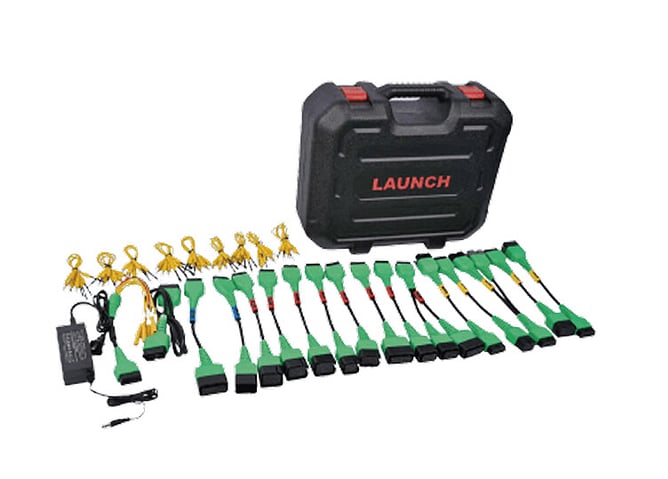
A scan tool is the start, not the full setup
Scan tools remain essential. They help workshops access systems, read and clear codes, and get a clearer picture of what is happening in the vehicle.
But when faults start involving battery condition, high-voltage systems, insulation issues, or workshop safety procedures, the job often moves beyond what a scan tool can do on its own.
That is where a more complete EV-ready setup starts to matter.
Battery testing adds another layer of insight
One of the biggest gaps between general diagnostics and EV-specific diagnostics is battery visibility.
A scan tool can point you in the right direction, but dedicated battery testing equipment helps workshops go further. That can mean better visibility into battery condition, stronger fault confirmation, and more confidence when making repair decisions.
For workshops carrying out battery health checks, pre-purchase inspections, or deeper fault finding, battery testing equipment is often the next logical step after scan tools.
Safety equipment is not optional
Working around hybrid and electric vehicles requires more than standard workshop tools.
Insulated tools, insulation testers, torque tools, and other EV-specific safety equipment all play an important role in building safer workshop processes around high-voltage systems.
For some workshops, this is one of the most important early investments. Before you take on more EV and hybrid work, you need to make sure your team has the right equipment to work safely and confidently.
Some workshops will need deeper battery repair capability
Not every workshop needs to move into battery repair workflows straight away.
But for businesses planning to go further, there is another step beyond scan tools and battery testing. That is where HV battery testing and repair tools come in.
This level of equipment is more about advanced battery service capability — things like charge and discharge management, pack handling, and tools that support deeper repair workflows. It is not the first purchase for every workshop, but for the right workshop, it can open the door to more advanced EV and hybrid service work.
The smartest approach is usually staged
The good news is that most workshops do not need to buy everything at once.
A staged approach often makes the most sense:
Start with the right scan-tool capability.
Add battery testing equipment as your EV workload grows.
Make sure the right safety equipment is in place.
Then consider more advanced battery repair tools if your service offering is expanding in that direction.
That gives you a more practical path into EV servicing without overcommitting too early.
Build the setup that fits your workshop
Every workshop is different.
Some need a stronger entry point into EV diagnostics. Some need better battery health testing. Some are ready to improve workshop safety around high-voltage systems. Others are looking to take the next step into more advanced battery repair work.
The key is not buying everything. The key is building the right setup for the vehicles you service, the work you want to carry out, and the capability you want to grow over time.
If you are not sure what that looks like for your workshop, AECS can help you choose the right path. Talk to the team.