As more hybrid and electric vehicles come through New Zealand workshops, battery-related faults are becoming a bigger part of the diagnostic process.
A scan tool is often the starting point, but when a workshop needs a clearer picture of battery condition, that is where hybrid battery testing equipment becomes far more valuable. It helps move the conversation beyond basic fault codes and into the kind of battery data that supports stronger diagnostics and better repair decisions.
For workshops carrying out battery health checks, pre-purchase inspections, or deeper fault finding, this kind of equipment can provide another layer of insight that a standard scan-tool-led setup may not give on its own.
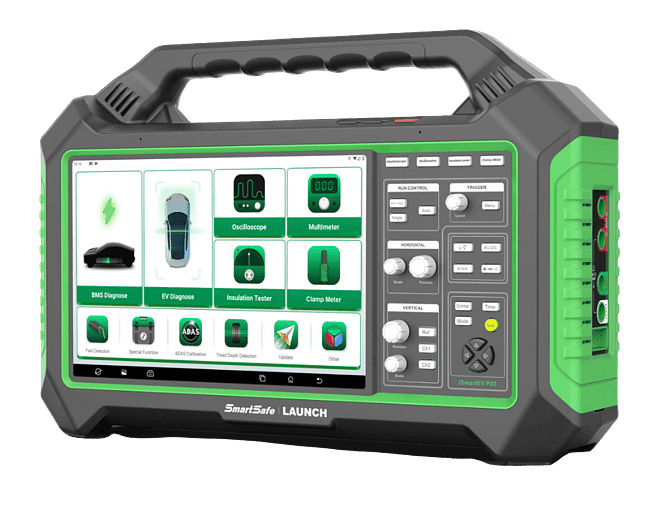
It is not just about pass or fail
One of the biggest misconceptions around battery testing is that it simply tells you whether a battery is good or bad.
In reality, battery testing equipment can help workshops build a much more detailed picture of battery condition. Instead of a simple yes-or-no result, the right setup can help identify trends, weak points, and the kinds of issues that influence what the next diagnostic or repair step should be.
That is what makes hybrid battery testing equipment such an important step between EV and hybrid scan tools and more advanced HV battery testing and repair tools. It helps workshops move from general fault identification into more informed battery assessment.
Battery condition and battery health
One of the key jobs of battery testing equipment is helping workshops assess battery condition more accurately.
That can include information that supports battery health checks, battery condition reporting, and a clearer understanding of whether the battery is performing as it should. For workshops carrying out pre-purchase inspections or customer battery assessments, that kind of visibility can be especially useful.
It also gives technicians a stronger basis for deciding whether a vehicle needs further investigation, closer monitoring, or a more advanced repair workflow.
Cell-level and pack-level insight
Battery-related issues are not always obvious from a high-level scan alone.
Dedicated testing equipment can help workshops look more closely at battery behaviour, including the kinds of differences or imbalances that may point to a deeper issue within the pack. That matters because it can help narrow down the source of a problem and reduce the risk of making assumptions too early in the diagnostic process.
For workshops wanting to strengthen their broader EV and hybrid diagnostic tools capability, this is often where battery testing starts to add real value.
Better information leads to better repair decisions
Battery testing does not replace the repair process. It supports it.
The better the information a workshop has at the testing stage, the easier it becomes to decide what should happen next. In some cases, testing confirms that the issue sits elsewhere. In others, it supports the move into deeper battery workflow and more advanced HV battery testing and repair tools.
That is why battery testing equipment is so useful. It helps workshops make better-informed decisions before moving too far down the wrong path.
It also supports safer workflow planning
Battery testing is not just about diagnosis. It also plays a role in helping workshops understand when a job may require additional precautions, equipment, or next-step capability.
As soon as the work moves further into high-voltage systems, workshops may also need the right EV workshop safety equipment in place. That can include insulated tools, insulation testing, and other workshop equipment designed to support safer work around modern vehicle systems.
So while battery testing and workshop safety are different parts of the EV workflow, they often sit closely alongside each other in practice.
Not every workshop needs the same level of battery testing capability
Some workshops only need an entry point into battery health checks and basic condition assessment.
Others need stronger capability for regular battery-related diagnostics, more detailed customer reporting, or a staged path toward more advanced battery service work.
That is why there is no one-size-fits-all answer. The right setup depends on the vehicles your workshop sees, the level of EV and hybrid work you are taking on, and how far you want to go beyond scan-tool diagnostics.
The right testing setup helps workshops grow with confidence
For many workshops, battery testing equipment is the next logical step after scan tools.
It gives technicians better insight, supports stronger repair decisions, and helps build confidence when diagnosing battery-related issues in hybrid and electric vehicles.
If your workshop is seeing more battery-related faults, battery health questions, or pre-purchase inspection work, the right hybrid battery testing equipment can help you build that capability in a more practical and informed way.
And if you are not sure what level of setup makes sense for your workshop, AECS can help you choose the right path. Talk to the team.