As more hybrid and electric vehicles come through New Zealand workshops, battery-related work is becoming a bigger part of modern diagnostics.
That also means workshops are being exposed to a wider range of equipment — and not all of it serves the same purpose. Two of the easiest categories to blur together are hybrid battery testing equipment and HV battery testing and repair tools.
They sit close together in the workflow, but they are not interchangeable. Understanding the difference helps workshops invest in the right capability at the right stage.
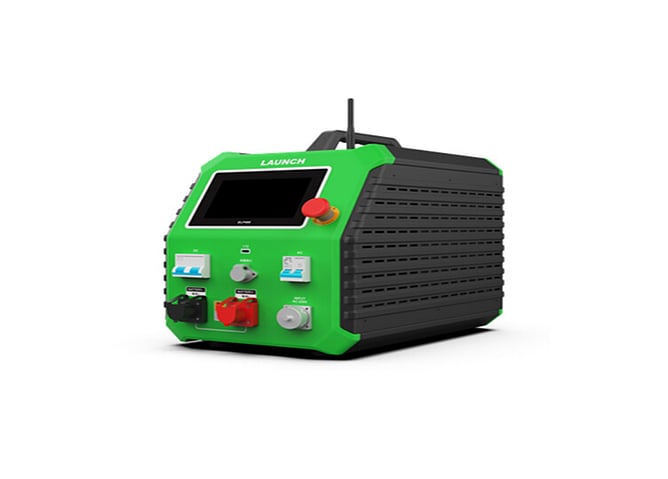
Battery testing comes first
In most cases, battery testing is the earlier step.
Testing equipment is used to assess battery condition, support fault finding, and build a clearer picture of what may be happening inside the pack. It helps workshops move beyond general scan-tool results and into more informed battery assessment.
That is why hybrid battery testing equipment often sits between EV and hybrid scan tools and more advanced battery workflow tools. It helps workshops confirm what they are dealing with before they decide what should happen next.
Repair equipment supports the next stage
Battery repair equipment sits further along the process.
Once a workshop moves beyond identifying a likely battery issue and into more advanced battery workflow, the equipment requirements change. At that point, the focus is less about confirming condition and more about supporting the practical side of battery-related service work.
That is where HV battery testing and repair tools come in. They are more closely tied to deeper battery processes, handling, and advanced workshop capability.
The difference is really about workflow
A simple way to think about it is this:
Battery testing equipment helps answer the question:
What is going on with the battery?
Battery repair equipment helps support the question:
What do we need to do next, and what equipment is required to carry that out properly?
That distinction matters because it changes how a workshop should invest. A business that is still mainly diagnosing faults and carrying out battery health checks may not need advanced repair equipment yet. But a workshop wanting to go further into battery service work may eventually need both.
Not every workshop needs both at the same time
This is where workshops can get caught out.
Because the categories are closely related, it can be tempting to think the next step is always more equipment. In reality, the smarter move is usually to build capability in stages.
For some workshops, stronger hybrid battery testing equipment is enough for now. It improves battery diagnostics, supports customer reporting, and helps workshops make better decisions without moving too quickly into a more advanced setup.
For others, especially those planning to take on more battery-related service work, repair-focused equipment may become the logical next step.
Safety also becomes more important as capability grows
As battery work becomes more advanced, the workshop’s safety setup matters more too.
That means battery testing and repair should not be looked at in isolation. The more a workshop moves into high-voltage battery workflows, the more important the right EV workshop safety equipment becomes as part of the overall setup.
So while testing and repair equipment serve different purposes, both sit within the same wider EV capability journey.
The right path depends on what your workshop is trying to do
If your workshop is mainly carrying out diagnostics, battery health checks, or pre-purchase assessments, testing equipment may be the most useful next step.
If your workshop is planning to move further into advanced battery-related work, repair-focused tools may make sense later on.
And if your team is still building its overall capability, it often makes sense to start with the right EV and hybrid diagnostic tools foundation, then add battery testing, safety, and deeper workflow tools as demand grows.
That staged approach is usually the most practical — and the most commercially sensible.
Choose for the next step, not the final step
The goal is not to buy everything at once.
The goal is to choose the right equipment for the stage your workshop is at now, while making it easier to grow into the next stage when the time is right.
For some businesses, that means improving battery testing capability. For others, it means getting ready for deeper repair workflows. The right answer depends on the vehicles you service, the jobs you want to take on, and how far you want to go with EV and hybrid work.
If you are unsure which side of that line your workshop is on, AECS can help you choose the right path. Talk to the team.